Top 10 Wealth-Generating Habits You Can Start Today
January 6, 2026


Financial well-being starts here
January 6, 2026
Building wealth isn’t an overnight event—it’s the result of consistent wealth-building habits, smart financial decisions, and small actions compounded over time. Whether you’re working toward personal financial independence or designing employee financial wellness programs, the habits below create sustainable, measurable results.
This guide breaks down the top 10 wealth-generating habits you can start today, with practical steps for implementation and clear explanations of why each habit works.
Motivation fades. Habits automate success. When financial behaviors become routine, progress continues even when attention drops. This is why the most financially stable individuals and organizations focus on systems, not willpower.
Strong financial habits influence:
For employers, reinforcing these habits through financial wellness benefits directly reduces employee stress and improves productivity.

Read through all ten habits, then choose two to three habits to implement this month. Track progress using simple metrics such as:
Revisit your progress monthly and refine the system—not the goal.
(Best Habit for Long-Term Wealth Growth)
Automation removes friction and decision fatigue. When saving and investing happen automatically, wealth grows consistently without daily effort.
Practical steps:

Related Reading: Top Financial AI Tools For 2025
(Foundational Personal Finance Habit)
Spending less than you earn creates surplus—the raw material for wealth creation. This habit matters more than income level.
Practical steps:

(Income Diversification for Financial Security)
Relying on one income source increases risk. Multiple income streams increase resilience and accelerate wealth accumulation.
Practical steps:

(Fastest Way to Stop Wealth Leakage)
High-interest debt grows faster than most investments. Eliminating it delivers a guaranteed return.
Practical steps:

(Core Investing Habit for Long-Term Growth)
Consistent investing benefits from dollar-cost averaging and market compounding. Diversification reduces volatility risk.
Practical steps:

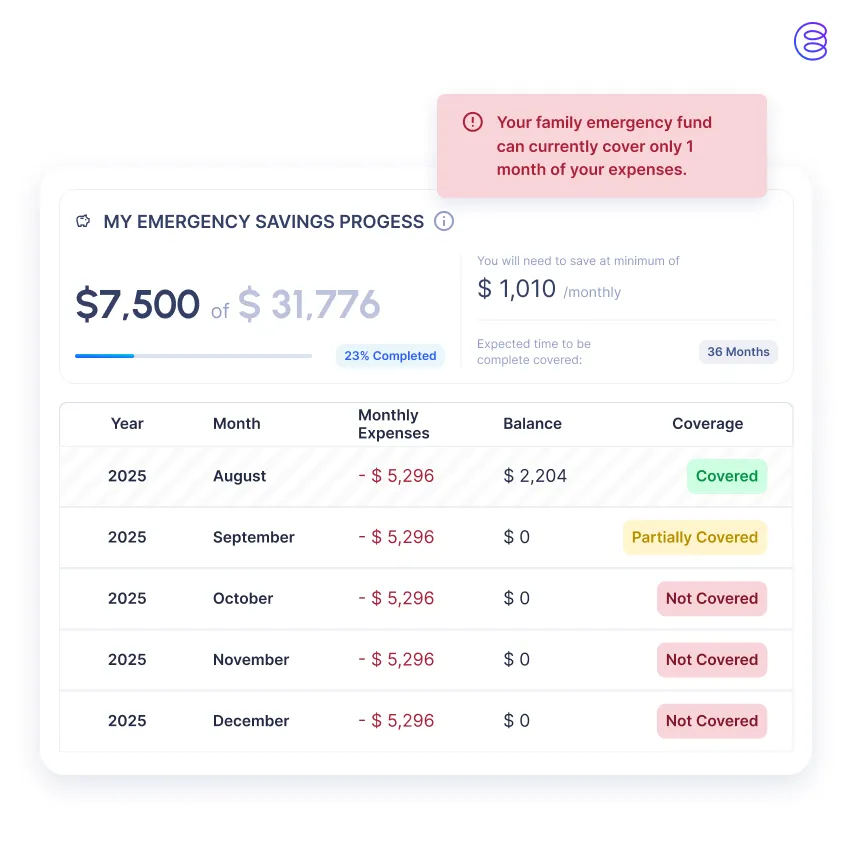
(Visibility Drives Progress)
Tracking net worth turns abstract goals into measurable outcomes and improves financial decision-making.
Practical steps:

Related Reading: AI Budgeting Tools – How To Use Them to Maximize Your Money
(Knowledge Is a Compounding Asset)
Better understanding leads to better financial decisions—without relying on guesswork or costly mistakes.
Practical steps:

(Risk Management for Financial Stability)
Unexpected events can erase years of progress. Protection preserves wealth.
Practical steps:
(Small Increases, Massive Lifetime Impact)
Salary increases compound over decades. Benefits matter just as much as base pay.
Practical steps for individuals:
For employers:
Offer benefits that directly support wealth-building habits—retirement matching, budgeting tools, financial education, and student debt support.

(Patience Is the Ultimate Wealth Strategy)
Wealth is built steadily, not through speculation or emotional decisions.
Practical steps:
When employees struggle financially, the impact reaches far beyond their personal lives. PWC’s 2023 employee financial wellness survey states that one in three full-time employees say that money worries have negatively impacted their productivity at work.
Financial stress in the workplace is directly linked to lower productivity, higher absenteeism, increased healthcare costs, and elevated turnover. Organizations that actively support wealth-generating habits create a more stable, engaged, and resilient workforce.Employee financial stress directly impacts productivity, absenteeism, and retention.
Organizations that promote employee financial wellness experience:
Employers can reinforce these habits through:

Putting It All Together: A 90-Day Wealth Plan
Month 1
Month 2
Month 3
By day 90, you’ll have systems in place that continue building wealth with minimal effort.
Progress beats perfection—every time.
Wealth grows through small, consistent choices repeated over time. When individuals and employers support automation, education, and smart financial systems, outcomes improve for everyone.
Building wealth is easier when education is clear, accessible, and pressure-free. Elektrafi U helps employees put wealth-generating habits into practice through self-paced financial education, short videos, and practical tools that remove confusion and overwhelm. By giving employees on-demand access to financial fundamentals—saving, investing, debt management, and long-term planning—organizations can reduce financial stress, improve engagement, and support smarter financial decisions at scale. Try ElektraFi u today!
Higher salaries help, but they rarely eliminate financial stress. Learn why and discover employer financial wellness strategies that improve retention, productivity, and employee wellbeing.
Discover the most valued employee benefits in 2026, including financial wellness, flexible work, mental health support, PTO, healthcare, and career development. Learn what today's employees want and how employers can build benefits that improve retention and productivity.


