Financial Planning For Employees – How Companies Can Help People Achieve Their Goals
August 28, 2025


Financial well-being starts here
August 28, 2025
Regardless of whether the job market is booming or cooling, the strongest employers consistently stand out for doing two things exceptionally well:
First, they build a culture where people believe in the mission and feel heard, appreciated, and respected—an organization employees genuinely want to show up for. Second, they compensate employees fairly, often above market rates, while offering benefits that go beyond the basics like health and dental.
Yet even when companies get both right, many employees still struggle with rising living costs, debt repayment, and financial uncertainty. Add the fact that personal finance is often a taboo topic at work, and financial stress becomes a silent, persistent workplace risk.
According to the Financial Resilience Institute, about 44% of Canadians report financial stress affecting their health and work productivity. When employees worry about money, focus drops, morale suffers, and performance declines. That’s why financial planning for employees is no longer a “nice-to-have” perk. It’s a foundational pillar of employee well-being and a proven driver of organizational performance.

Lost productivity due to financial stress is estimated at ~$69.5 billion annually for Canadian businesses.
Related Reading: Understanding the Impact of Financial Stress on Employee Retention
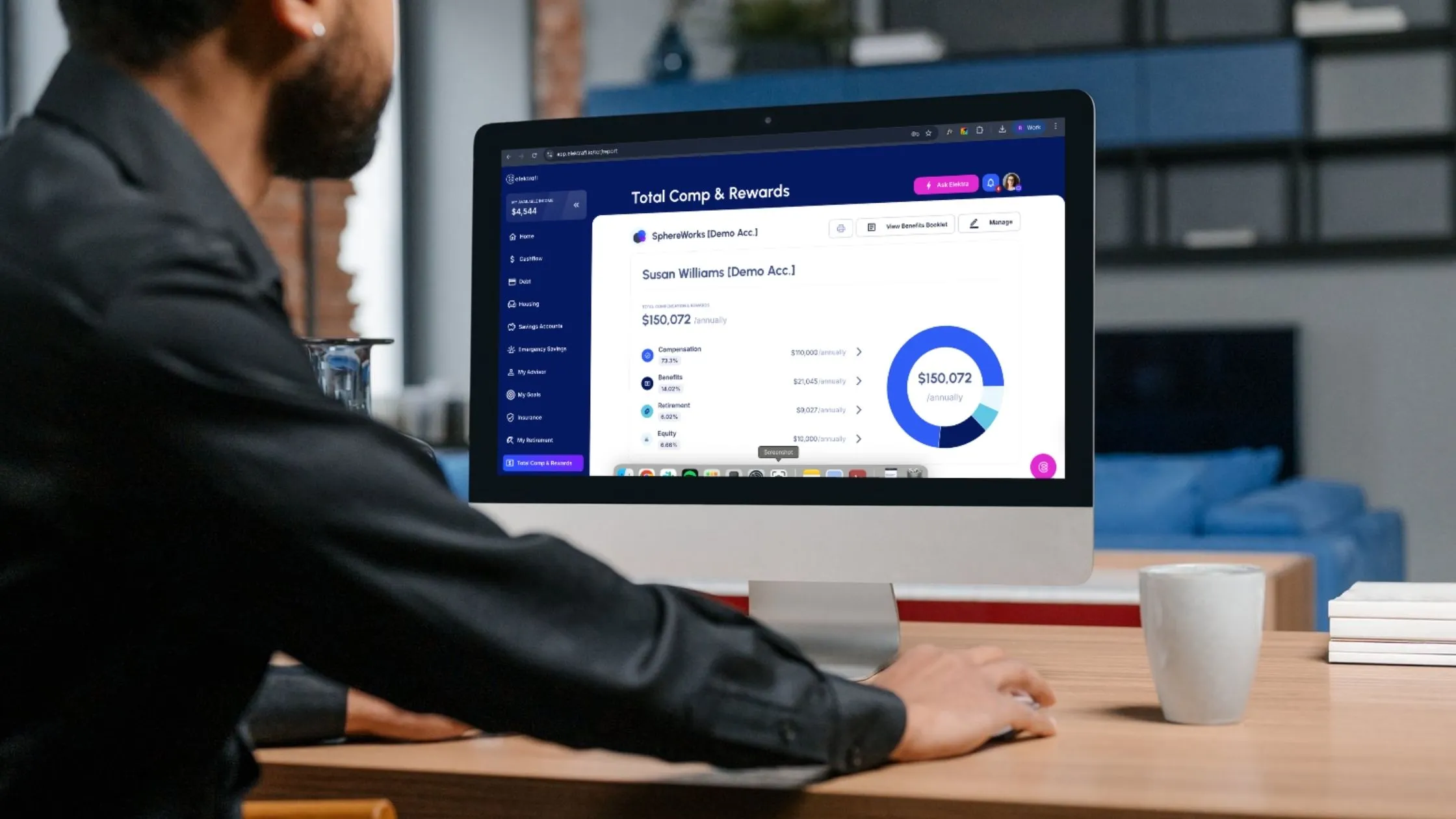
Generic benefits often miss the mark. The modern workforce spans many different generations, life stages, and financial situations. More and more employers are leaning into personalized benefits, which see greater uptake and better reception from staff.
According to SHRM, organizations offering personalized benefits see increased employee satisfaction, better performance, and a competitive edge. HR experts say personalized benefits can reduce turnover by up to 18%, significantly lowering talent-management costs and driving better retention outcomes.
Employees aren’t asking for generic webinars. They want financial wellness programs that adapt to their real goals—whether that’s paying down debt, saving for a home, managing family expenses, or building long-term wealth.
Engagement increases when employees feel financial support is relevant, private, and actionable. Engagement rises when benefits feel personal. Programs offering personalized financial wellness get stronger usage. That engagement translates into actionable results - improved financial habits, reduced stress, and increased focus.
Related Reading: The Ultimate Guide to Personalized Employee Rewards

HR teams have a unique opportunity to turn financial wellness from a transactional benefit into a strategic asset.
Effective programs combine multiple tools, such as:
Tailored advice—not generic instruction—drives behavior change.
According to Deloitte, ~73% of users prefer personalized AI interfaces in financial platforms, as they deliver more efficient and relevant financial insights. Engagement in these personalized sections is ~34% higher than non-personalized parts of apps.
Modern financial wellness platforms use AI to deliver recommendations based on income, debt levels, life stage, and goals. This level of personalization increases relevance, adoption, and measurable outcomes.
Related Reading: Top Financial AI Tools for 2025
Financial wellness should be positioned alongside healthcare and mental health—not buried in an employee handbook next to pizza perks.
Clear, ongoing communication reduces stigma and increases participation.

High-impact programs track:
The best programs evolve continuously based on real data.
Related Reading: The Untapped Power of Financial Wellness in Employee Retention
Employees who feel financially supported are more focused, present, and resilient at work.
Financial stress is closely linked to anxiety, sleep disruption, and long-term health issues. Financial wellness programs help reduce these risks.
Offering personalized financial benefits signals trust, care, and long-term commitment—strengthening both culture and employer reputation.

When employees have access to the right workplace financial advice and resources, they move beyond simply managing day-to-day expenses and start planning for the future with confidence. Financial well-being empowers people to set and achieve meaningful milestones, like buying a home, starting a family, paying off debt, or retiring comfortably.
By providing financial advice as an employee benefit, organizations give their teams the tools to turn aspirations into actionable plans, creating a workforce that feels supported, motivated, and capable of building the life they want.
Don’t believe us? Check out this case study with Invest Alberta, where one of their employees went from financial unsure, to buying their first home, all through the power of financial wellness benefits.
Financial well-being isn’t a luxury, it’s now a foundational workplace benefit. If you’re ready to lead employee well-being, let's talk.
Higher salaries help, but they rarely eliminate financial stress. Learn why and discover employer financial wellness strategies that improve retention, productivity, and employee wellbeing.
Discover the most valued employee benefits in 2026, including financial wellness, flexible work, mental health support, PTO, healthcare, and career development. Learn what today's employees want and how employers can build benefits that improve retention and productivity.


